

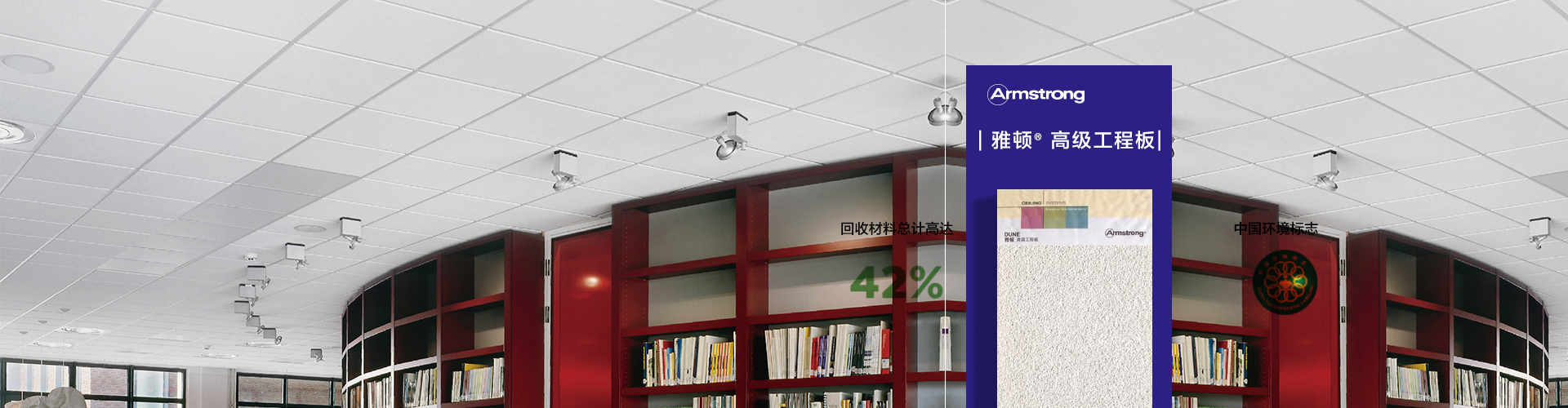


近年来,全球建筑材料行业正经历一场深刻的转型, driven by increasing environmental concerns and regulatory pressures. As a key player in this sector, the focus has shifted towards developing solutions that not only meet performance standards but also align with broader sustainability goals. This shift is evident in the ongoing efforts to reduce carbon emissions, enhance energy efficiency, and promote circular economy principles. The industry's commitment to innovation is paving the way for a more resilient and eco-friendly built environment.
In the realm of insulation and composite materials, advancements have been particularly noteworthy. Research and development initiatives have led to the creation of products that offer superior thermal performance, thereby contributing to significant energy savings in residential and commercial buildings. These materials are designed to minimize heat loss during winter and reduce cooling needs in summer, which directly supports global efforts to combat climate change. Moreover, the integration of recycled content into manufacturing processes has become a standard practice, reducing waste and conserving natural resources. This approach not only addresses environmental challenges but also responds to growing consumer demand for greener alternatives.
The adoption of sustainable practices extends beyond product design to encompass entire supply chains. Efforts to optimize logistics and reduce transportation-related emissions are underway, with a focus on leveraging local sourcing and efficient distribution networks. Additionally, investments in renewable energy sources for production facilities have gained momentum, aiming to lower the overall carbon footprint of operations. These measures are part of a broader strategy to achieve carbon neutrality in the coming decades, aligning with international agreements and industry benchmarks.
Market dynamics are also influencing these developments. The rise of green building certifications, such as LEED and BREEAM, has accelerated the demand for high-performance materials that contribute to certification points. This trend is driving innovation in areas like fire resistance, durability, and indoor air quality. For instance, newer formulations of insulation products are being tested for their ability to enhance safety and comfort while maintaining environmental credentials. The industry is witnessing a surge in collaborations with architectural firms and construction companies to integrate these solutions into projects worldwide, fostering a holistic approach to sustainable development.
Technological innovation plays a crucial role in this evolution. The application of digital tools, such as building information modeling (BIM) and IoT sensors, is enabling more precise design and installation of materials, reducing errors and waste on job sites. Furthermore, advancements in material science have led to the development of smart composites that can adapt to changing environmental conditions, offering dynamic performance benefits. These innovations are not only improving efficiency but also opening new avenues for cost savings and long-term value creation.
Despite these positive trends, challenges remain. The industry faces pressures related to raw material availability, fluctuating costs, and regulatory complexities. Addressing these issues requires continuous investment in research and stakeholder engagement. For example, efforts to standardize recycling processes for end-of-life materials are critical to closing the loop in the product lifecycle. Additionally, educational initiatives aimed at raising awareness among consumers and professionals about the benefits of sustainable materials are essential to drive adoption and scale impact.
Looking ahead, the focus will likely remain on accelerating the transition to a low-carbon economy. This includes exploring alternative raw materials, such as bio-based sources, and enhancing the recyclability of products. The industry is also poised to benefit from policy support and incentives aimed at promoting green construction practices. As these efforts converge, the potential for transformative change in the built environment becomes increasingly tangible, offering hope for a more sustainable future.
In summary, the ongoing developments in the建筑材料 sector reflect a deep-seated commitment to innovation and sustainability. Through targeted initiatives and collaborative approaches, progress is being made towards reducing environmental impact while meeting the needs of a growing global population. The journey ahead will require perseverance and adaptability, but the foundations laid today promise a brighter tomorrow for all stakeholders involved.